
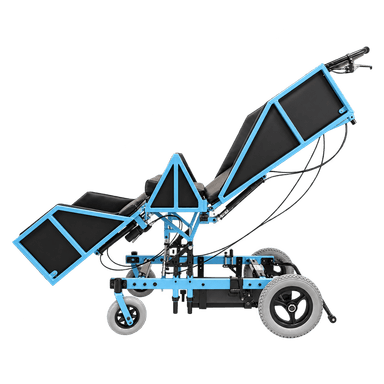
Tilt-in-space
Rehab TNT
Engineered for resilience and adaptability, this wheelchair is designed to support rehabilitation needs with advanced technology and comfort.
- Capacity
- 500 lbs
- Base price
- $3,679
Category
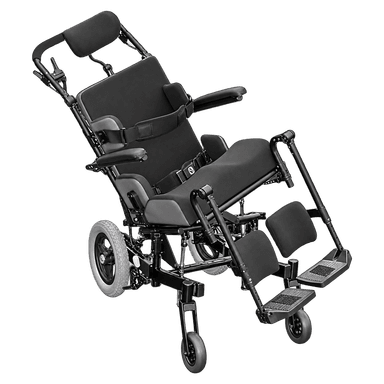
A manual tilt-in-space wheelchair changes the orientation of the whole seat without changing the hip angle, so a patient who cannot shift their own weight can be repositioned, rested and transported in one chair. Gunnell builds three: adult, bariatric, and pediatric and offers a patented lateral tilt system to allow for fine tuning patient center of gravity.
Tilt-in-space
Engineered for resilience and adaptability, this wheelchair is designed to support rehabilitation needs with advanced technology and comfort.
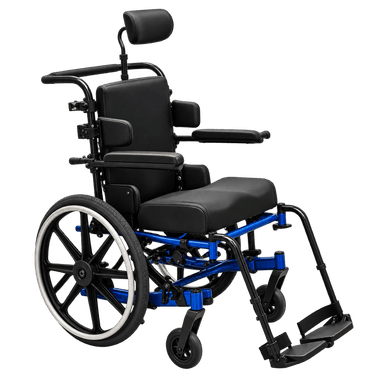
The adult base: 500 lb, 55° tilt, patented lateral tilt, 90°–130° static recline, every adjustment standard.
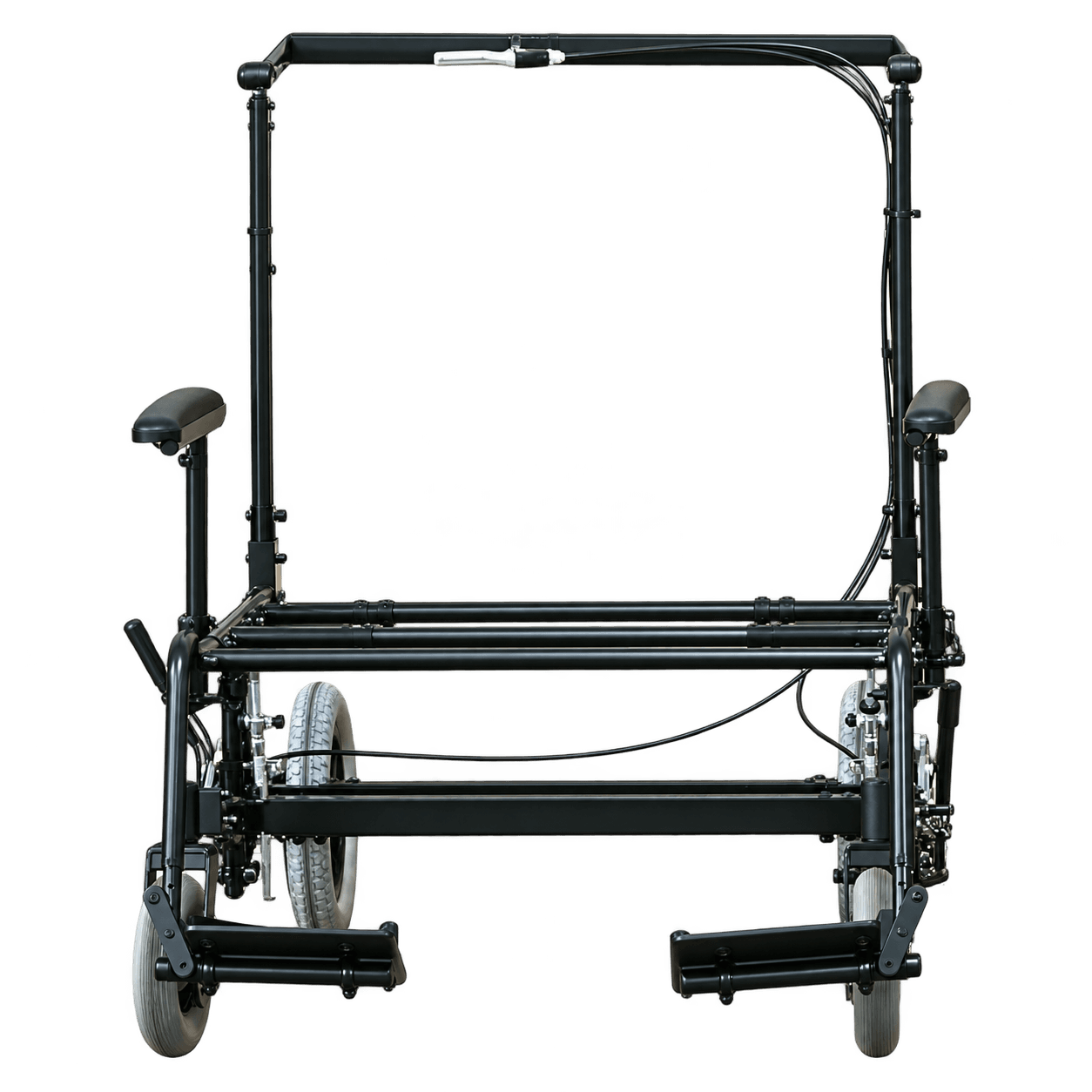
Bariatric tilt-in-space
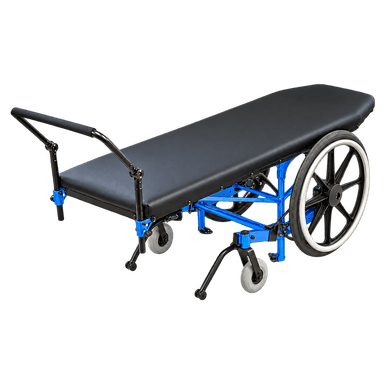
A solution that holds up to 750 pounds, offering enhanced strength, stability, and customizable options for optimum support and mobility.
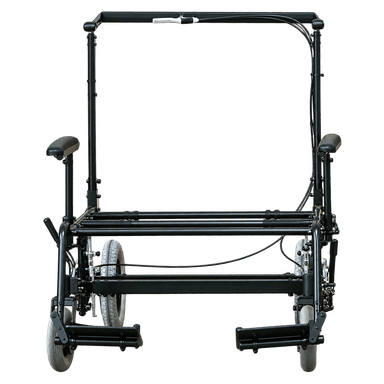
The same chair with a 750 lb frame and widths up to 31”, with tilt, lateral tilt and recline.
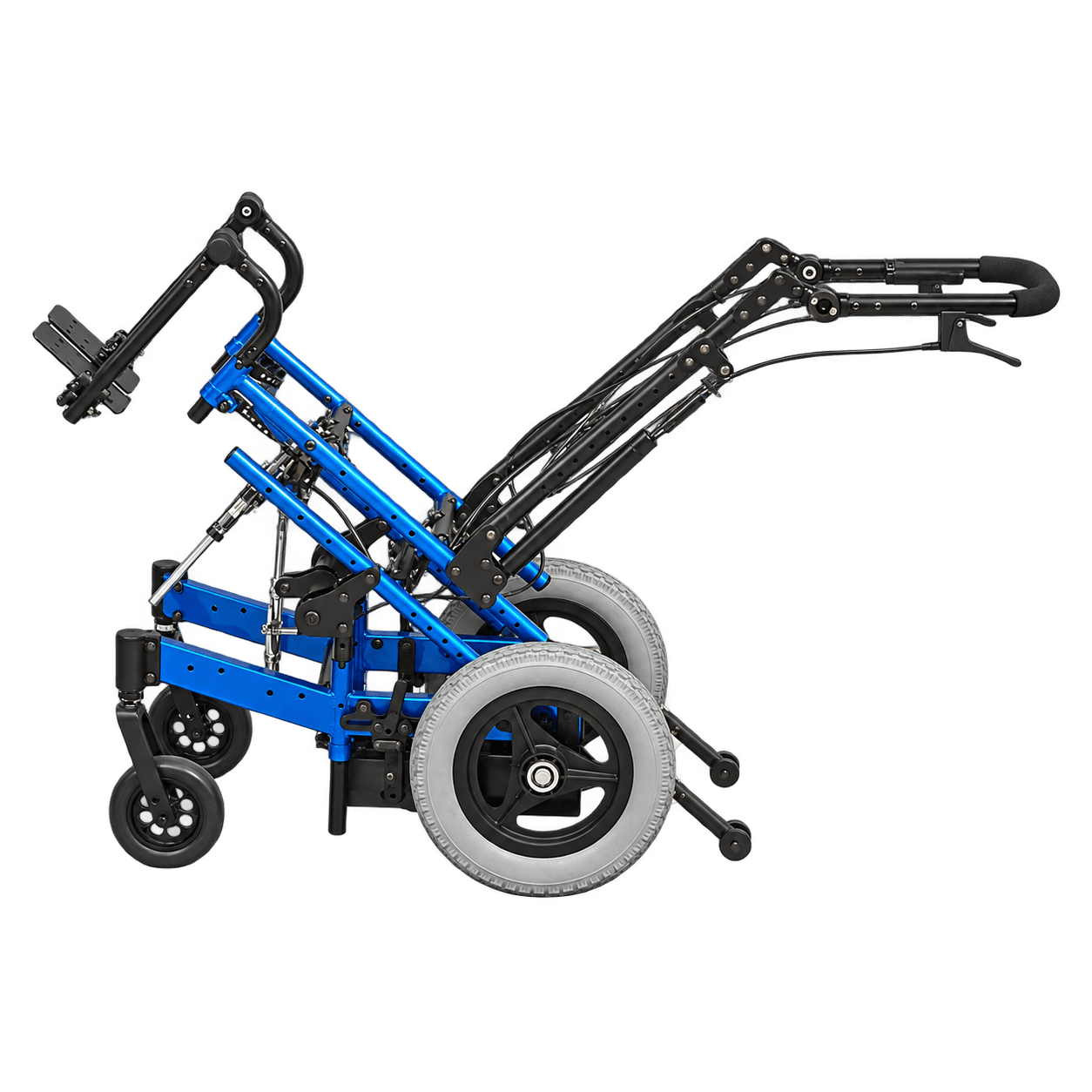
Pediatric tilt-in-space
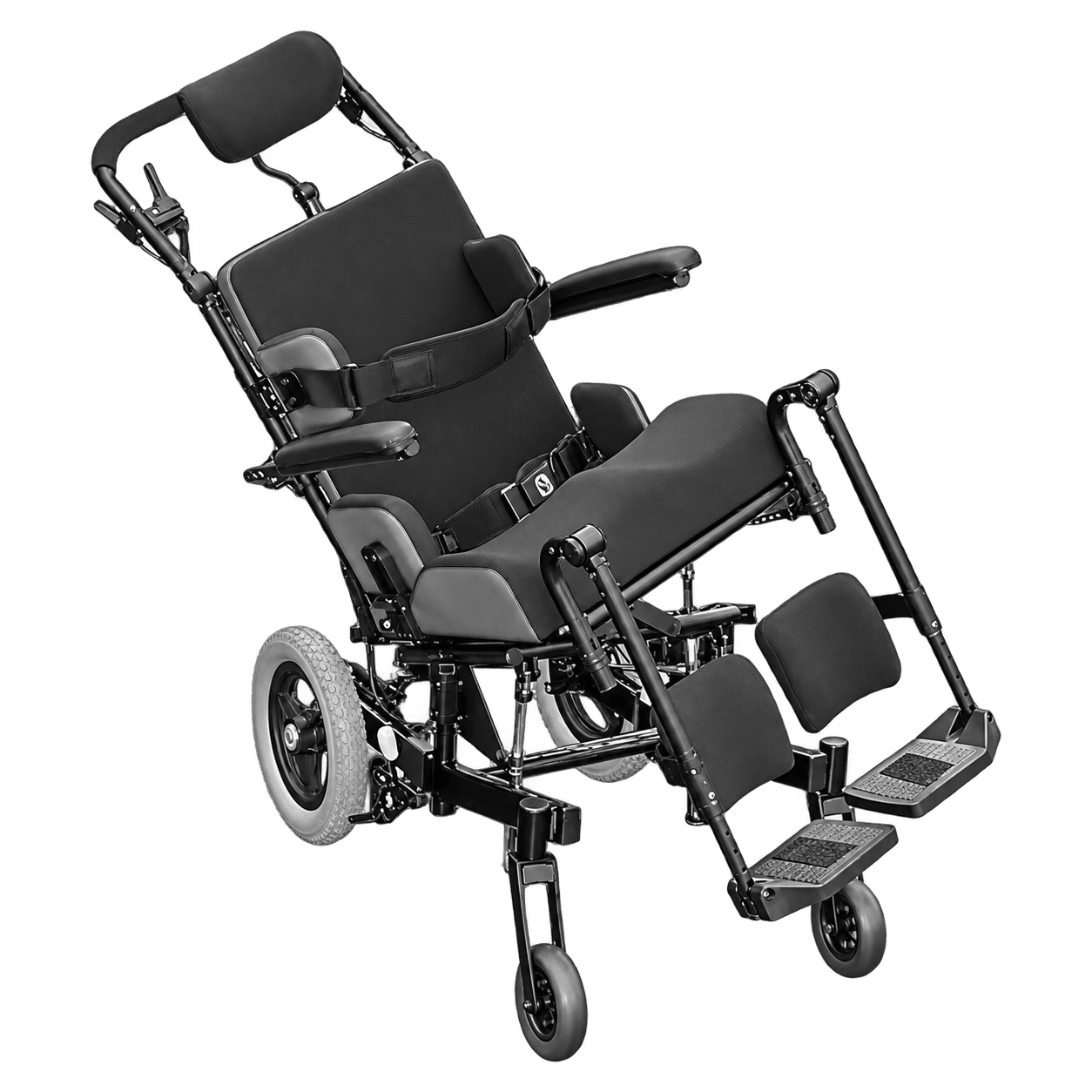
Tailored for younger users, this wheelchair combines safety, adaptability, and a fun design to encourage mobility and independence.
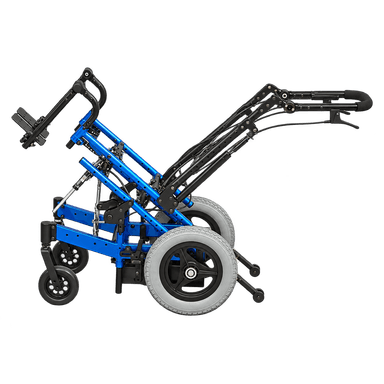
The pediatric base that adjusts in width, depth and height as the child grows, with tilt and lateral tilt.
Tilt-in-space is prescribed when a patient spends long hours in a wheelchair and cannot relieve pressure, hold their trunk upright or tolerate an upright position all day: after a stroke or brain injury, with advanced multiple sclerosis, cerebral palsy, muscular dystrophy, late-stage dementia or a spinal cord injury. Tilting the seat back shifts weight from the buttocks to the back, lets the head rest and keeps the hips, knees and ankles at the angles the seating system was set for. Gunnell’s patented lateral tilt adds ±22° of side-to-side movement, so the seated angle can be fine-tuned for a patient who leans or carries more weight on one side.
Facilities buy tilt-in-space chairs for the residents who need the most help: long-term care units, rehabilitation hospitals, pediatric hospitals and schools. The questions they ask are the ones this page answers: how much tilt, how much weight, how the chair adjusts when the resident changes, what it costs to keep running and which billing codes apply.
Every Gunnell tilt-in-space chair is a welded steel frame made in the USA since 1957, adjusted to the patient’s measurements before it ships and backed by a five-year warranty on Gunnell-designed parts. The Rehab series, which includes the TNT and the Kidster, is registered with the FDA under 510(k) K111636.
Standard ranges published by Gunnell. Wider, deeper and custom configurations are quoted on request; tilt-in-space or lateral tilt adds 4” to the seat-to-floor height.
Every Gunnell chair is adjusted to the patient before it ships. These are the decisions the quote needs.
Up to 500 lb and a 16”–19” frame, the Rehab TNT. Above 500 lb or wider than 24”, the Bariatric TNT. The frame width is the hip width plus clearance for clothing and the seating system; Gunnell adjusts it in ½” steps on the frame, so measure the patient, not the cushion.
All three chairs tilt through 55°. The default setting is −10° to 45°; the range can be limited with shaft collars and the chair can be ordered with a custom tilt range. Pressure relief is usually prescribed at 30° or more of posterior tilt. Add Gunnell’s patented lateral tilt, ±22°, when the patient needs side-to-side adjustment to find the best possible seated angle.
Static recline is set between 90° and 130° in 10° steps and stays there: simpler, cheaper, and the right choice when the hip angle is fixed by the seating system. Dynamic recline opens to 180° for catheter care, transfers or rest without leaving the chair; dynamic armrests are recommended with it and the minimum seat depth becomes 17”.
A chair pushed by staff takes 12” rear wheels and a short footprint. A patient who propels takes 20” or 24” wheels with handrims; one-arm drive is available. Caregiver-operated disc brakes replace wheel locks where staff reposition the chair many times a day.
Gunnell frames accept most seating and positioning systems. Order the solid seat and back bases when a cushion will be fitted, or the seat pan alone, and specify the back cane height from the top of the seat rail.
Gunnell gives the HCPCS code for each configurable item. The base for the Rehab TNT, Bariatric TNT and Rehab Kidster is listed under E1161, manual adult size wheelchair with tilt in space. Options are coded as follows.
HCPCS codes provided by Gunnell are for reference only. Providers are responsible for determining the appropriate billing codes. Please contact a Medicare professional for further assistance.
Tilt rotates the whole seat and back together, so the angle between the trunk and the thighs does not change and the patient stays in the position the seating system was set for. Recline opens the back only, which changes the hip angle and can shear the skin along the back. Gunnell chairs do both: 55° of tilt and 90°–130° of static recline, or dynamic recline to 180° as an option.
Lateral tilt is Gunnell’s patented side-to-side tilt. Tilt-in-space moves the seat backward and forward without changing the hip angle; lateral tilt allows ±22° of movement side to side, so staff can fine-tune the patient’s center of gravity and find the best possible seated angle. It is an option that no other chair offers, manual or power, on the Rehab TNT, Bariatric TNT and Rehab Kidster.
Yes. Gunnell uses 10 mm shaft collars to limit the posterior tilt infinitely within the available 55-degree range, and a custom tilt-in-space range can be ordered.
Add 3.5” to the frame width without handrims and 6” with handrims. Depending on the seat width setting, the wheelbase adds 5.5” for 12” wheels and 7” for 20” and 24” wheels.
Yes. The frames are made to accept most seating and positioning systems on the market, including solid seat and back bases with standard or quick-release hardware.
Standard products without customization can ship within four weeks of receiving a purchase order. Customized chairs take longer; the lead time is stated with the quote.
A lifetime warranty on the wheelchair base frame and a five-year, no-questions-asked warranty on all Gunnell-designed and manufactured parts, plus 90 days on padding.
Send the resident’s measurements, the care setting and the number of chairs. Gunnell replies with a configured quote, lead time and the HCPCS codes for each item.
Whether you’re seeking a custom mobility solution for yourself, a loved one, or your clients, we’re here to assist you throughout your journey.
Models, number of chairs, care setting and the measurements you have. Gunnell replies with a configured quote and lead time.
Capacity, tilt, recline, widths, depths, heights, wheels, brakes and codes side by side. Printable for tenders.
Questions about a patient, a configuration or a chair you already have go straight to the factory that builds them.